If you run a small business, the right award can do something advertising rarely does for free: it tells your community a neutral party thinks you're good at what you do. Chasing local business awards 2026 isn't about ego or a trophy on the shelf — it's about a credibility signal you can put on your website, your Google profile, and every quote you send. This guide covers how to find legitimate programmes, decide whether they're worth your time, write an entry that actually wins, and turn recognition into customers.
The short version: focus on a couple of respected local business awards 2026, treat the entry like a real piece of writing rather than a form to rush, and plan how you'll use the win before you even submit. Recognition only pays off if people see it.
What local business awards are — and why they're worth chasing
Local business awards are recognition programmes run by chambers of commerce, local newspapers, business improvement districts, industry associations, and regional business groups. They usually reward things like customer service, growth, community impact, or being the best in a category — "best café," "best trades business," "young entrepreneur of the year."
The value isn't the plaque. It's three things: trust, visibility, and momentum. A win or even a shortlist gives you third-party proof to point to when a customer is deciding between you and a competitor. It gets your name in front of the award organiser's audience — often a local paper or a chamber's mailing list. And internally, it gives your team something to be proud of, which matters more than owners often admit.
How to find legitimate local business awards 2026
Not every award is real. Some "awards" are thinly disguised ad sales: you "win," then you're pressured to buy a certificate, a trophy, or a feature. Here's how to find programmes worth entering.
- Start local and official. Search your town or region plus "business awards," and check your chamber of commerce, local council, business improvement district, and regional newspaper. These tend to be the most credible.
- Check who runs it and who judges it. A trustworthy programme names its organiser and its judges, and the judges are recognisable local figures — not anonymous.
- Look at past winners. Real programmes publish previous years' winners, often with photos and coverage. If you can't find any history, be cautious.
- Watch the money. Free-to-enter or a modest fee is normal. Being told you've won before you entered, or being asked for a large payment to "claim" a win, is a red flag.
- Match the category to your business. A niche industry association award can carry more weight with your customers than a generic one.
Build a shortlist of two or three programmes. Entering everything dilutes your effort; a focused entry in the right award beats ten rushed ones.
How to write an entry that actually wins
Judges read a lot of entries. Most are vague and self-congratulatory. Yours wins by being specific, honest, and easy to score against the criteria.
- Read the criteria first, then write to them. If the award rewards "customer service" and "community impact," structure your entry around exactly those headings. Don't make judges hunt for your evidence.
- Use real numbers you can stand behind. "We grew" is weak; "we went from 40 to 110 regular clients in two years and kept a 4.9 review average" is strong. Never invent figures — a judge who spots one exaggeration distrusts the whole entry.
- Tell one concrete story. A single vivid example of how you helped a customer or your community lands harder than a list of claims.
- Show the "so what." Connect what you did to a result — for the customer, the community, or the business.
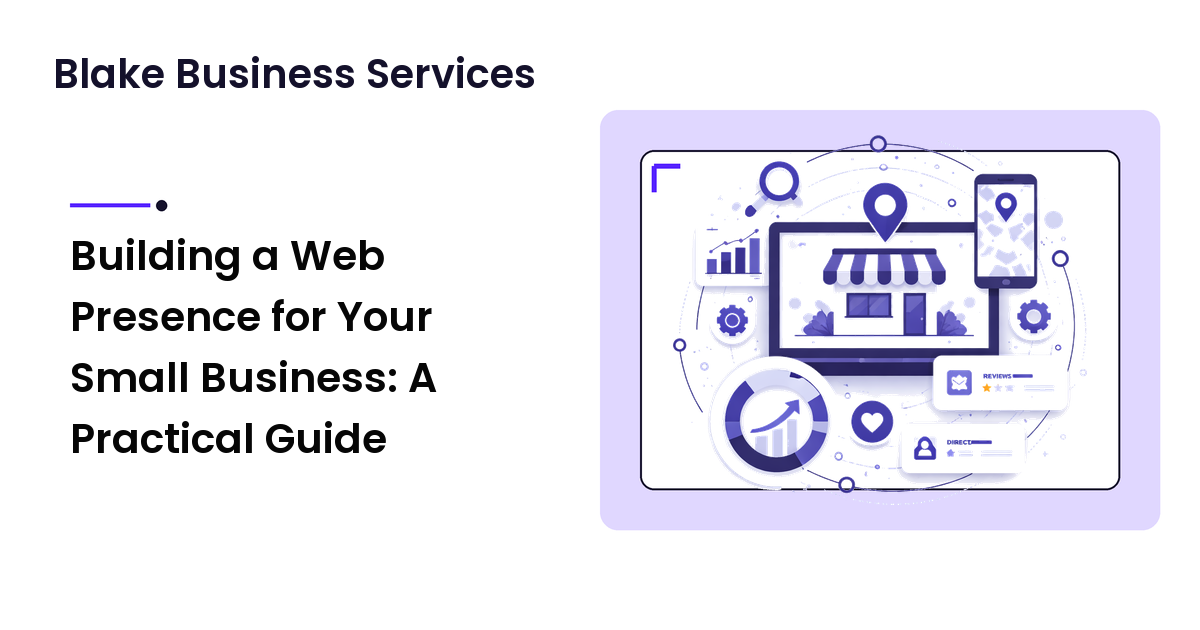
- Get evidence ready. Reviews, testimonials, photos, and press mentions back up your claims. A strong review profile is easy proof, and it's worth building year-round; our guide to building a web presence for your small business covers the listings and reviews that give you material to point to.
Write it, leave it a day, then cut every sentence that doesn't add evidence. Have someone outside your business read it — if they can tell why you'd win, you're close.
Small business 2026 ideas: award categories worth targeting
If you're weighing where to compete, think about which categories you can genuinely win rather than the most prestigious one. Some of the strongest small business 2026 ideas for award entries are the categories with clear, provable stories:
- Customer service or "best reviewed" — easy to evidence if you've built up genuine reviews.
- Community impact — local sponsorships, hiring, charity work, or supporting other businesses.
- Best newcomer or young entrepreneur — designed for businesses without a long track record.
- Sustainability or ethical business — growing fast and often under-entered, so your odds are better.
Pick the category where your evidence is strongest, not the one that sounds most impressive.
Small business: how to start entering if you're brand new
New businesses often assume awards are for established names. Many programmes have categories built for you. Here's how to start.
Get the fundamentals in place first: a working website, a complete Google Business Profile, and a handful of real reviews. Judges will look you up, and a thin online presence undercuts a good entry. Then enter a "newcomer," "start-up," or "young entrepreneur" category where a short history is expected rather than a weakness. Lead with momentum and vision — where you started, what you've built quickly, and where you're heading — instead of pretending to scale you don't have yet.
Best local business ideas for standing out to judges
The businesses that win aren't always the biggest — they're the ones with the clearest story. Among the best local business ideas for catching a judge's eye: a genuine niche ("the only gluten-free bakery in town"), a visible community role, a distinctive customer experience, or a measurable turnaround. If your business already does one of these, your entry writes itself. If it doesn't yet, that's a strategy signal for the year ahead, not just an award tactic.
Best content marketing agencies and getting help with your entry
You don't need to pay anyone to enter an award — but if writing isn't your strength, a freelance copywriter or a small marketing agency can sharpen an entry. When you compare the best content marketing agencies or freelancers for this, keep it proportionate: for a single award entry you want someone who'll interview you and shape your story in a few hours, not a long retainer. Ask for examples of persuasive writing, agree a fixed price, and make sure the words still sound like you. A polished entry that doesn't sound authentic reads as hollow to local judges who may know you.
Content marketing: how to do it with your win
Winning quietly wastes the win. Here's how to do the content marketing that turns recognition into customers.
- Update your proof points everywhere: website, email signature, Google Business Profile, and social bios. A simple "Winner — [Award] 2026" badge signals credibility at a glance.
- Write it up. A short post or news item on your site explaining the award and thanking customers gives you something to share and helps you show up in search.
- Tell your list and your local press. Award organisers often welcome winners sharing the news; a local paper may run it.
- Keep the momentum. Add "award-winning" to how you describe your business, and mention it naturally when quoting new customers.
Recognition fades if you don't use it. Treat the win as content and a talking point for the whole year, not a one-day announcement.
The bottom line
Local business awards 2026 are one of the few free ways to earn real credibility in your community — but only if you enter the right programmes, write entries that give judges something concrete to reward, and then actually use the recognition. Shortlist two credible awards, block an hour to draft a specific, honest entry, and plan how you'll share a win before you submit. Do that, and an award becomes a genuine marketing asset instead of a nice email you forget by next month.